

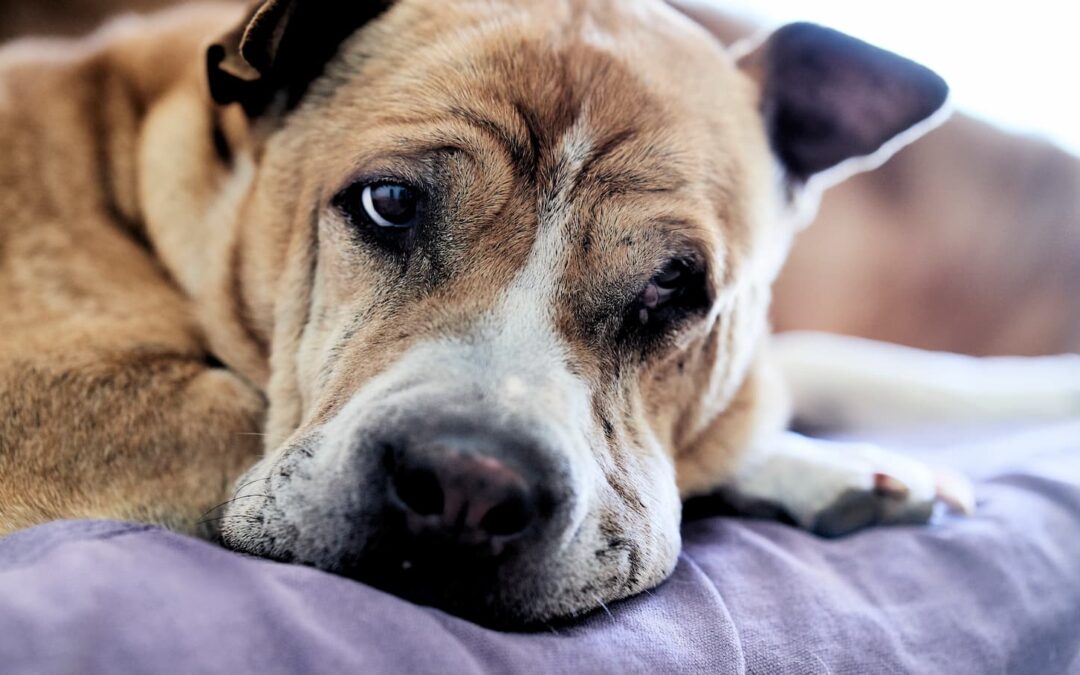
Few things worry pet owners more than seeing their dog suddenly lose interest in the things they normally love. Whether your dog is skipping walks, sleeping more than usual, or simply seems less energetic, lethargy can be a sign that something is not right.
While an occasional lazy day is usually nothing to worry about, persistent or sudden lethargy often signals an underlying issue that deserves attention. Understanding what could be causing your dog’s low energy can help you determine when it’s time to contact your veterinarian.
What Could Be Causing My Dog’s Lethargy?
Lethargy is a symptom, not a disease itself. Dogs become lethargic for many reasons, ranging from mild conditions to serious health concerns.
Your Dog May Be Sick
One of the most common reasons for a dog acting lethargic is illness. Just like people, dogs often become tired when their bodies are fighting an infection.
Viral and bacterial infections can trigger symptoms such as:
- Increased sleep
- Reduced appetite
- Fever
- Decreased interest in activities
- General weakness
In many cases, lethargy is one of the first signs pet owners notice. Even if your dog does not appear severely ill, a noticeable drop in energy should be monitored closely.
Pain or Injury Can Make Dogs Withdraw
Dogs are often very good at hiding pain. A dog with arthritis, a muscle strain, back pain, or another injury may seem unusually quiet or tired.
Some signs that pain may be contributing to your dog’s lethargy include:
- Reluctance to jump or climb stairs
- Limping
- Stiffness after resting
- Sensitivity when touched
- Changes in posture
If your dog seems less active and appears uncomfortable, a veterinary examination can help identify the source of the pain.
Digestive Problems May Be the Culprit
An upset stomach can quickly affect your dog’s energy level. Gastrointestinal issues often cause dogs to feel weak, uncomfortable, and uninterested in food or play.
Common digestive conditions associated with dog lethargy include:
- Dietary indiscretion from eating something unusual
- Intestinal parasites
- Pancreatitis
- Gastroenteritis
- Intestinal blockages
If your dog is lethargic and experiencing vomiting, diarrhea, or loss of appetite, it is important to contact your veterinarian for guidance.
Parasites and Tick-Borne Diseases
Parasites can have a significant impact on your dog’s health and energy level.
Intestinal parasites may interfere with nutrient absorption, while heartworm disease can affect the heart and lungs. Tick-borne diseases can also cause fatigue, fever, joint pain, and loss of appetite.
Because many parasite-related illnesses can become serious if left untreated, year-round prevention is one of the best ways to protect your dog. Our veterinary team can recommend the most appropriate parasite prevention plan based on your dog’s lifestyle and risk factors.
Chronic Health Conditions
Sometimes lethargy develops gradually rather than appearing suddenly. In these situations, an underlying medical condition may be responsible.
Several chronic diseases can cause a dog to become tired or less active over time, including:
- Diabetes
- Kidney disease
- Liver disease
- Heart disease
- Anemia
You may also notice other symptoms such as weight loss, increased thirst, increased urination, or changes in appetite. Routine wellness exams can often help identify these conditions before they become more advanced.
Heat Exhaustion and Dehydration
Dogs can become lethargic when they are overheated or dehydrated, especially during warm weather or after vigorous exercise.
Watch for signs such as:
- Excessive panting
- Drooling
- Weakness
- Bright red gums
- Difficulty walking
Heat-related illnesses can become life-threatening quickly. If you suspect your dog is suffering from heat exhaustion, seek veterinary care as soon as possible.
Poisoning or Toxic Exposure
Sudden lethargy may occur after exposure to toxins. Dogs are naturally curious and may accidentally ingest harmful substances around the home or yard.
Potential toxins include:
- Human medications
- Chocolate
- Xylitol-containing products
- Household cleaners
- Certain plants
- Rodenticides
If you believe your dog may have consumed something toxic, contact your veterinarian or an emergency animal hospital immediately.
Clues That Help Identify What’s Wrong
When your dog is acting lethargic, paying attention to other symptoms can provide valuable clues about the underlying cause.
Ask yourself:
- Is my dog eating normally?
- Is my dog drinking more or less water than usual?
- Has there been any vomiting or diarrhea?
- Is breathing normal?
- Is my dog having difficulty walking or standing?
- Has my dog recently been exposed to ticks, toxins, or sick animals?
These observations can help our veterinarian determine the most likely cause and guide diagnostic testing.
When Dog Lethargy Is an Emergency
While some causes of lethargy are mild, others require immediate medical attention.
Contact an emergency veterinary facility right away if your dog:
- Collapses or becomes unresponsive
- Has difficulty breathing
- Experiences seizures
- Has pale or white gums
- Appears extremely weak
- Has a swollen or bloated abdomen
- Cannot keep food or water down
Prompt treatment can make a significant difference in your dog’s outcome.
Keeping Your Dog Healthy and Active
Preventive care plays an important role in maintaining your dog’s health and helping detect problems early.
Regular wellness exams, vaccinations, parasite prevention, and routine screenings allow our veterinary team to monitor your dog’s health and address concerns before they become more serious.
For convenient access to preventive products and prescription medications, visit the South Hyland Pet Hospital online pharmacy.
When a Quiet Dog Is Trying to Tell You Something
A sudden change in your dog’s energy level is often their way of signaling that something needs attention. While the cause may be minor, persistent lethargy should never be ignored.
If your dog is acting lethargic, sleeping more than usual, or showing other signs of illness, our team at South Hyland Pet Hospital is here to help. Early evaluation can provide answers, ease your concerns, and help your dog get back to feeling like themselves again. To schedule an appointment, call (952) 884-1868.
