
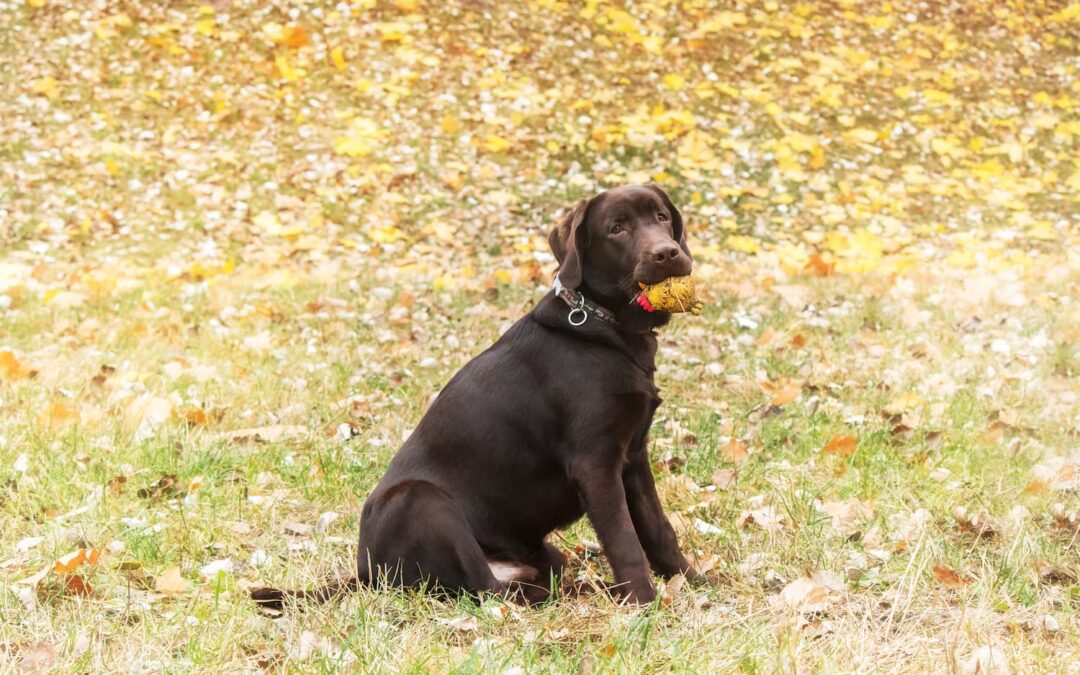
Fall in Bloomington brings crisp air, colorful leaves, and plenty of reasons to spend more time outside with your pet. But while your dog is sniffing through leaves or exploring the backyard, they may find a few seasonal surprises you would rather they leave alone. Wild mushrooms, acorns, fallen fruit, moldy plant material, and lawn products can all create potential problems for curious pets.
Knowing what to watch for can help you enjoy the season while keeping your four-legged family members safer.
Why Fall Yard Hazards Deserve Your Attention
A yard can change quickly during a Minnesota fall. Leaves cover the ground, moisture encourages fungal growth, trees drop nuts and fruit, and homeowners begin seasonal yard cleanup.
Dogs often explore these changes with their noses and mouths. Something that seems harmless, such as an acorn or mushroom, may cause illness if eaten. A quick yard check before letting your dog outside can prevent many accidental exposures.
Wild Mushrooms: Assume They Are Unsafe
Mushrooms thrive in damp soil and may appear seemingly overnight after fall rain. They can grow in lawns, beneath trees, around decaying wood, and under piles of leaves.
Some wild mushrooms are harmless, while others contain toxins capable of causing serious illness. Since identifying mushrooms accurately can be difficult, the safest approach is to prevent your pet from eating any wild mushroom.
Signs associated with toxic mushroom ingestion vary depending on the species and may include:
- Vomiting or diarrhea
- Excessive drooling
- Weakness, loss of coordination, or unusual behavior
- Tremors or seizures
- Liver or kidney problems in severe cases
If you think your pet ate a wild mushroom, remove access to the area and contact our veterinary team promptly. If it can be done safely, take clear photos of the mushroom and its surroundings. You can also collect a sample in a paper bag while wearing gloves. This information may be useful when determining the next steps.
Are Acorns Toxic to Dogs?
Acorns are everywhere near oak trees in the fall, making them tempting objects for dogs that like to chew or pick things up during walks.
Acorns contain tannins, which can irritate the digestive system. Eating them may lead to vomiting, diarrhea, abdominal discomfort, or reduced appetite. Whole acorns and larger pieces can also become choking hazards or cause an intestinal blockage, particularly in smaller dogs.
Moldy acorns present another concern because certain molds can produce toxins.
If oak trees grow in your yard, regularly rake or pick up fallen acorns from areas your pet uses. During walks, keeping your dog on a leash can also help you intervene before that interesting acorn becomes a snack.
Watch for Black Walnuts and Other Fallen Nuts
Fallen nuts and shells deserve attention too. Black walnuts that become moldy can develop tremorgenic mycotoxins, which may cause neurological signs such as tremors or seizures if consumed.
Nuts and hard shells may also present choking or gastrointestinal obstruction risks. Remove fallen nuts regularly and discourage your dog from carrying or chewing them.
If your pet swallows a nut or shell, our veterinarian can help determine whether monitoring or medical attention is appropriate based on your pet’s size, what was swallowed, and any symptoms.
Fallen Fruit, Compost, and Decaying Plants
That forgotten apple beneath a tree may smell especially interesting to a dog. As fallen fruit ferments, it can produce alcohol, while moldy foods and decaying organic material may contain harmful toxins.
Compost piles can contain moldy foods as well as ingredients that are unsafe for pets. Keep compost in a secure container that your pet cannot open or knock over.
Promptly removing fallen fruit and decaying vegetation is a simple way to reduce fall hazards for pets around your home.
Check Those Piles of Leaves
Few things are more fun than watching a dog charge through a freshly raked pile of leaves. You do not necessarily have to spoil the fun, but check the pile first.
Wet leaves can hide mushrooms, sticks, sharp objects, animal waste, or other debris. Moist leaf litter may also encourage mold and fungal growth.
Keep play areas clean, remove questionable materials, and supervise your dog while they investigate. These small habits can make fall pet safety easier without taking the joy out of outdoor play.
Be Careful With Fall Lawn and Garden Products
Fall yardwork may involve fertilizers, herbicides, pesticides, or rodent-control products. Store these products securely and keep pets away during application according to the product label.
Rodenticides deserve particular care because some formulations can cause life-threatening poisoning. If you suspect your pet has eaten a rodent-control product, contact our veterinary team immediately and bring the product packaging with you if possible.
For veterinarian-recommended preventive products and other pet-care essentials, you can also visit the South Hyland Pet Hospital online pharmacy.
Fleas and Ticks Can Still Be Active in Fall
Cooler temperatures do not automatically mean parasite season is over. Ticks may remain active during milder fall weather, and leaf litter, brush, and wooded areas can provide suitable environments for them.
Continue the flea and tick prevention plan recommended by our veterinarian. After walks through tall grass or wooded areas, check your dog carefully for ticks, paying particular attention around the ears, neck, legs, toes, and under the collar.
Consistent flea and tick prevention helps protect pets beyond the warmest months of the year.
What Should You Do If Your Pet Eats Something Suspicious?
Accidents can happen even in carefully maintained yards. If your pet eats a mushroom, acorn, unknown plant, lawn product, or another suspicious item, remove them from the area and contact our veterinary team.
If safe, photograph or save a sample of the packaging or product. Note the estimated amount your pet consumed and the time of exposure. Never induce vomiting unless directly instructed by a veterinarian.
For questions about possible poisoning or concerning symptoms, call South Hyland Pet Hospital at (952) 884-1868. Prompt guidance can help determine the safest next step for your pet.
Keep Fall Adventures Fun and Safe
Minnesota’s fall season is too beautiful to spend worrying about every leaf your dog sniffs. A little prevention can go a long way. Clear mushrooms and acorns from your yard, secure compost and lawn products, maintain parasite prevention, and supervise pets around unfamiliar plants or debris.
If something does find its way into your pet’s mouth, our veterinary team at South Hyland Pet Hospital is here to help Bloomington-area families keep their pets healthy through fall and every season that follows.
