
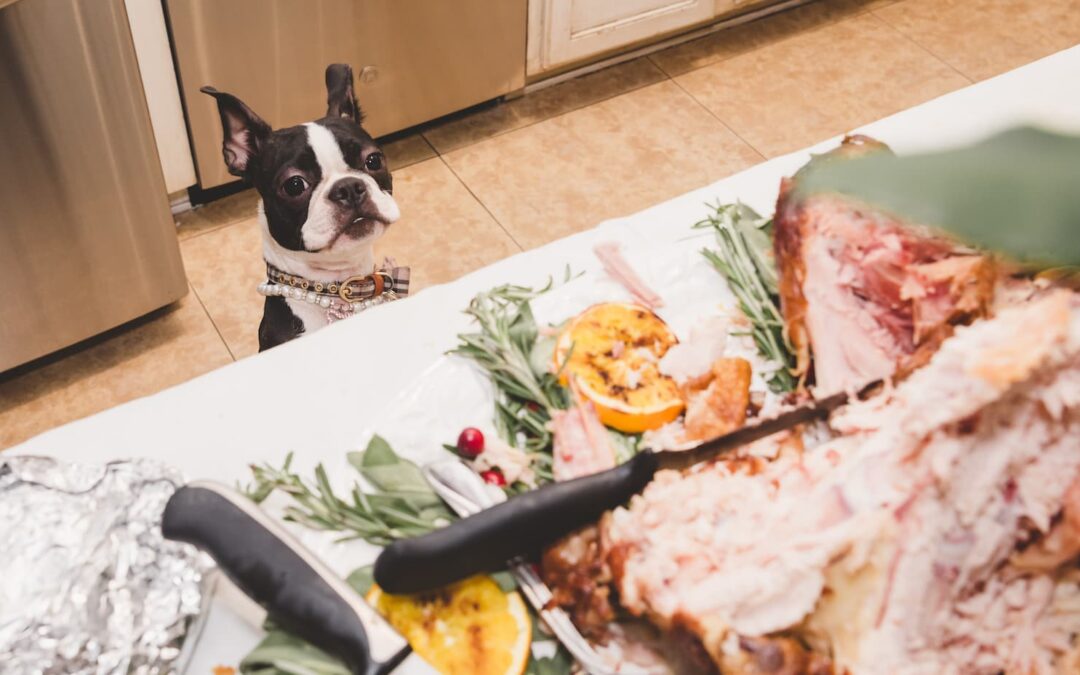
The Thanksgiving turkey is roasting, the table is almost ready, and your four-legged family member has claimed a spot near the kitchen. Sound familiar? Between the delicious smells and extra attention from guests, Thanksgiving can feel like a dream come true for food-loving pets.
But before sharing a bite from your plate, consider what’s in it. Some holiday favorites contain ingredients that can make dogs and cats seriously ill, even when offered with good intentions.
At South Hyland Pet Hospital in Bloomington, MN, we want your Thanksgiving memories filled with happy moments, not unexpected medical emergencies. Understanding which Thanksgiving foods pets should avoid can help protect your furry companion throughout the celebration.
Can Dogs and Cats Have Thanksgiving Turkey?
Good news! A small serving of fully cooked, unseasoned turkey meat can be a special treat for most healthy dogs and cats.
The catch? Preparation matters.
Before sharing turkey, consider these concerns:
- Leftover turkey bones: Roasting can make bones brittle, allowing them to break into pointed fragments. Swallowed pieces may become trapped or injure delicate tissues along the digestive tract.
- Fatty skin and drippings: Rich leftovers can overwhelm your pet’s digestive system. Excessive fat consumption may also contribute to pancreatitis, a painful condition affecting the pancreas.
- Seasoned meat and sauces: Holiday recipes often feature ingredients that aren’t suitable for animals. Butter-heavy sauces, salty preparations, and seasoning blends should stay off your pet’s plate.
For a safer option, set aside a little plain turkey breast before seasoning. Remove the skin and bones, then offer a few small pieces.
Thanksgiving Foods That Should Stay Off Your Pet’s Menu
Many Thanksgiving foods toxic to dogs and cats look harmless. Unfortunately, familiar recipes sometimes hide ingredients that can cause serious health problems.
Stuffing and Savory Side Dishes
Your pet might love the smell of stuffing, but this holiday favorite belongs on human plates.
Garlic, onions, shallots, and similar ingredients belong to a plant group called Allium. Natural compounds found in these plants can damage the oxygen-carrying cells in your pet’s bloodstream, potentially causing anemia.
Cats are particularly sensitive, although dogs can also become seriously ill. Cooking or drying these ingredients doesn’t eliminate the danger.
Mashed Potatoes and Gravy
A plain, cooked potato may be suitable for some pets, but holiday mashed potatoes are another story.
Butter, cream, salt, and garlic can transform this simple vegetable into a stomach-upsetting dish. Gravy presents similar concerns, particularly when prepared with fatty meat juices or onion-based seasonings.
Grapes and Raisins
That holiday fruit salad or raisin-filled dessert deserves extra attention if you have a dog.
These fruits have been associated with severe kidney damage in dogs. Individual reactions vary, making it impossible to predict which dogs will become ill or how much might cause harm.
Any suspected exposure requires immediate veterinary guidance.
Chocolate and Sugar-Free Sweets
Chocolate contains theobromine and caffeine, substances that pets cannot process as efficiently as people. Depending on the type and amount consumed, chocolate poisoning can affect the heart, nervous system, and digestive tract.
Some sugar-free desserts contain xylitol, a sweetener capable of causing dangerously low blood sugar and liver damage in dogs.
Alcohol and Unbaked Yeast Dough
Keep alcoholic beverages away from curious pets. Even relatively small amounts can cause dangerous reactions.
Unbaked yeast dough is another kitchen hazard. Once swallowed, dough can expand inside the stomach while fermentation produces alcohol, creating potentially life-threatening complications.
What If Your Pet Sneaks a Thanksgiving Snack?
Sometimes, all it takes is a distracted guest or an unattended plate.
If your pet grabs something questionable, try identifying what disappeared. Knowing the ingredients, approximate amount, and timing helps our veterinarian determine the appropriate next steps.
Possible warning signs include:
- Vomiting, diarrhea, or refusing meals
- A swollen belly, pacing, or visible discomfort
- Weakness, trembling, or difficulty walking
- Excessive drooling or unusual behavior
- Breathing difficulties, seizures, or collapse
Some harmful ingredients cause internal damage before noticeable symptoms develop. Your pet may initially act completely normal despite a serious exposure.
If you suspect your pet swallowed something dangerous, contact our veterinary team or an emergency animal hospital immediately.
Avoid attempting home treatments or inducing vomiting unless a veterinary professional specifically instructs you to do so.
Pet-Friendly Thanksgiving Treats Worth Sharing
Want your pet to participate in the holiday feast? Prepare a small, separate plate using simple ingredients that suit their dietary needs.
Consider these options for healthy pets:
- Unseasoned turkey breast: Fully cooked, with skin and bones removed.
- Pure pumpkin: Plain cooked pumpkin or canned pumpkin without added ingredients.
- Soft carrots: Cooked until tender and cut into manageable pieces.
- Plain green beans: Prepared without sauces, oils, or seasoning blends.
Even pet-friendly foods should be served sparingly. As a general guideline, treats should account for no more than 10% of your pet’s daily calories.
If your pet has allergies, diabetes, pancreatitis, or another medical condition, consult our veterinarian before changing their diet.
Keep Curious Pets Safe During Thanksgiving Gatherings
Thanksgiving pet safety doesn’t mean excluding your furry companion from the fun.
Keep serving dishes beyond your pet’s reach, clear plates promptly, and secure trash containers containing food scraps. Let guests know that sharing table food with pets isn’t allowed, regardless of those irresistible puppy-dog eyes.
If visitors become overwhelming, provide a quiet room with familiar bedding, fresh water, and favorite toys.
A little preparation helps everyone enjoy the holiday, including family members with four paws.
Make Room for Gratitude, Not Holiday Emergencies
Thanksgiving is better when everyone feels healthy enough to celebrate. While sharing food is one way people show affection, your pet will be just as happy with extra playtime, a favorite toy, or a cozy spot beside you.
By choosing appropriate treats and keeping potentially harmful foods out of reach, you can make Thanksgiving safer for your entire family.
Have questions about Thanksgiving foods toxic to dogs and cats or your pet’s nutritional needs? Our veterinary team at South Hyland Pet Hospital is happy to help.
For veterinary care in Bloomington, MN, call (952) 884-1868 to schedule an appointment. If your pet experiences suspected poisoning outside our regular hours, contact an emergency veterinary hospital immediately.
From our veterinary team to your family, we wish you a safe, relaxing, and tail-wagging Thanksgiving!
Image credit: Envato
