

Wild Mushrooms & Pet Safety
A Guide for Minnesota Pet Owners
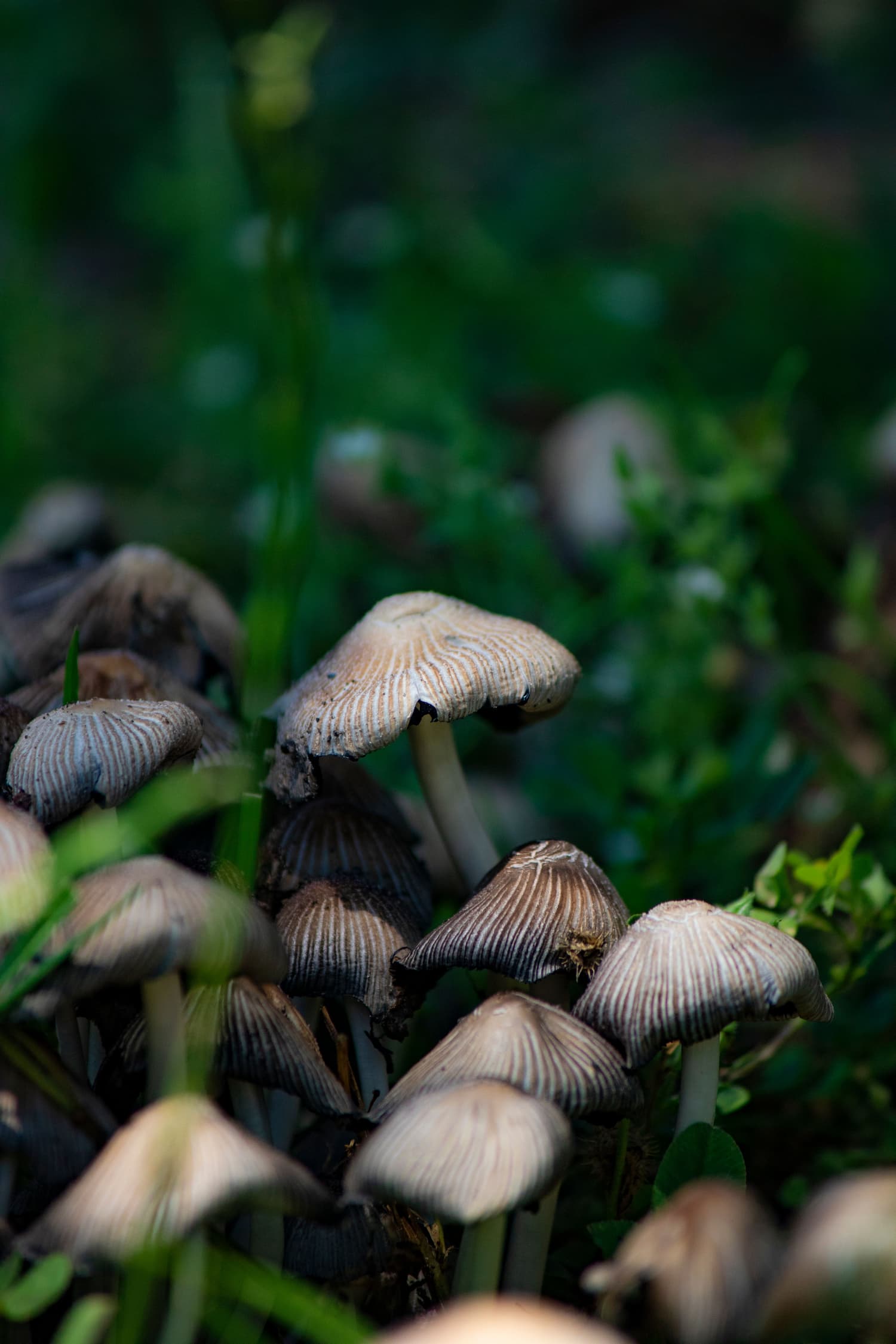
Wild mushrooms are a common sight in Minnesota yards, parks, and wooded areas, especially during periods of warm, wet weather. While many mushrooms are relatively harmless, others can cause serious illness or even death if eaten by pets.
Unfortunately, toxic and non-toxic mushrooms can look remarkably similar. Identifying them requires specialized knowledge, and even experienced professionals may have difficulty distinguishing between certain species.
At South Hyland Pet Hospital, we want to help pet owners understand the risks associated with wild mushrooms, recognize potential signs of poisoning, and access reliable identification resources.
Did Your Pet Eat a Wild Mushroom?
If your pet has eaten or may have eaten a wild mushroom, contact Veterinary Emergency Group (VEG) immediately, even if your pet is not showing symptoms.
Some mushroom toxins can cause life-threatening illness, and symptoms may not appear for several hours after ingestion. Prompt veterinary evaluation and treatment can make a critical difference.
Veterinary Emergency Group (VEG) – Eden Prairie
952-444-1034
Open 24 hours a day, 7 days a week, including holidays.
As a 24-hour emergency veterinary hospital, VEG is better equipped to coordinate specialized identification resources, assess potential toxicity, and provide emergency treatment when necessary.
Please note: South Hyland Pet Hospital does not provide mushroom identification services or medical guidance for suspected mushroom ingestion. If your pet may have eaten a mushroom, please contact VEG directly rather than calling, texting, or emailing our hospital.
Do not wait for symptoms or mushroom identification before seeking emergency veterinary care.
Signs of Mushroom Poisoning in Pets
Symptoms of mushroom poisoning can vary depending on the species, the amount consumed, and the individual pet. Some mushrooms cause relatively mild gastrointestinal upset, while others can affect the nervous system, liver, or kidneys.
Possible symptoms include:
- Digestive symptoms: Vomiting, diarrhea, excessive drooling, loss of appetite, or abdominal discomfort.
- Neurological symptoms: Weakness, stumbling, disorientation, tremors, or seizures.
- Liver or kidney problems: Increased thirst or urination, decreased urination, yellowing of the eyes or gums, or severe lethargy.
- Behavioral changes: Unusual agitation, depression, or changes in responsiveness.
Why Delayed Symptoms Are Especially Concerning
Some highly toxic mushrooms may not cause noticeable symptoms for 6–24 hours after ingestion. During this time, serious internal damage may already be developing.
A pet appearing completely normal after eating a mushroom does not mean the mushroom was safe.
If ingestion is known or suspected, contact VEG immediately.
Mushroom Identification Resources
Mushroom identification is a specialized field known as mycology. Many species share similar appearances, and accurate identification may require examining details that are not visible in a photograph.
South Hyland Pet Hospital cannot identify wild mushrooms or determine whether they are safe for pets.
The following organizations and resources may be helpful for identification and educational purposes.
Minnesota Mycological Society
The Minnesota Mycological Society is a local organization dedicated to the study and identification of fungi, including species found throughout Minnesota.
Their website offers educational information and resources for learning more about mushrooms in our region.
Best for: General mushroom education and Minnesota-specific resources.
Visit the Minnesota Mycological Society
This organization is not a guaranteed emergency identification service.
North American Mycological Association (NAMA)
The North American Mycological Association provides information about mushroom identification, toxicology, and mushroom-related poisonings.
Their toxicology resources include information about mushroom poisoning in dogs and cats, along with identification resources that may assist veterinary professionals.
Best for: Mushroom toxicology education and specialized identification resources.
Explore NAMA’s Mushroom Toxicology Resources
Poisons Help: Emergency Identification for Mushrooms & Plants
This specialized Facebook group connects people with experienced mushroom and plant identification experts when a suspected poisoning has occurred.
Unlike general mushroom identification groups, this community uses vetted specialists, including mycologists and botanists, to assist with identification requests.
The American Animal Hospital Association (AAHA) has highlighted this resource as a valuable tool for veterinary professionals managing suspected mushroom and plant poisonings.
Best for: Obtaining specialized identification assistance following a suspected mushroom exposure.
Visit the Emergency Identification Facebook Group
Learn More About This Resource from AAHA
Identification assistance is volunteer-based and response times are not guaranteed. If your pet has eaten a mushroom, contact VEG immediately rather than waiting for a response from the group.
Pet Poison Helpline
Pet Poison Helpline is a 24-hour animal poison control service staffed by veterinary toxicology professionals.
Their team can provide toxicology information and treatment recommendations to veterinary professionals. However, they may not be able to identify a particular mushroom species and may refer callers to outside identification specialists.
For suspected mushroom ingestion, we recommend contacting VEG directly for emergency evaluation and treatment.
Learn About Mushroom Toxicity from Pet Poison Helpline
How to Photograph a Mushroom for Identification
If you discover mushrooms in your yard or another area your pet frequently visits, obtaining an expert identification may help you better understand what is growing nearby.
When photographing a mushroom for identification, try to include:
- The top of the cap: Capture its color, shape, texture, and any unusual markings.
- The underside: Photograph the gills, pores, or other structures beneath the cap.
- The entire stem and base: Some important identifying features are located at the very bottom of the mushroom.
- The surrounding environment: Include the grass, soil, decaying wood, or nearby trees where the mushroom was growing.
- Multiple specimens: If mushrooms vary in size or appearance, photograph several examples.
When submitting photographs to an identification specialist, include your general location (such as Bloomington, Minnesota), when the mushrooms were found, and whether they were growing in grass, soil, mulch, or wood.
Important: Smartphone mushroom identification apps and general internet image searches are not reliable methods for determining whether a mushroom is poisonous.
If your pet has eaten or may have eaten a mushroom, do not delay contacting VEG to take photographs or obtain an identification.
When Do Wild Mushrooms Grow in Minnesota?
Mushrooms can appear throughout Minnesota’s warmer months, particularly when moisture and temperature conditions are favorable.
Spring (April–May)
As the ground thaws and temperatures rise, mushrooms begin appearing in lawns, gardens, and wooded areas.
Summer (June–August)
Warm temperatures, humidity, and rainfall can encourage rapid mushroom growth. Mushrooms may appear seemingly overnight following periods of rain.
Fall (September–November)
Fall is often an especially active season for mushroom growth in Minnesota. Cooler temperatures combined with seasonal rainfall can create ideal growing conditions.
Winter (December–March)
Mushroom growth generally slows significantly during freezing weather, although some fungi may remain visible during mild periods.
Remember: Mushroom activity depends heavily on weather conditions. Pet owners should remain cautious throughout the growing season, not just during the fall.
How to Protect Your Pets from Wild Mushrooms
While it is nearly impossible to eliminate every mushroom from an outdoor environment, a few preventive measures can help reduce your pet’s risk of exposure.
- Inspect your yard regularly. Check areas where your pets play, especially after rainfall.
- Remove visible mushrooms promptly. Wear gloves, collect the mushrooms and any loose pieces, and dispose of them in a secured trash container.
- Supervise pets outdoors. Pay particular attention to dogs that enjoy sniffing, digging, or eating unfamiliar objects.
- Use a leash in unfamiliar areas. Parks, wooded trails, and areas with decaying vegetation may contain mushrooms.
- Practice a reliable “leave it” command. Training your dog to avoid picking up unfamiliar objects can help prevent accidental ingestion.
- Keep an eye on recurring growth. Removing visible mushrooms does not eliminate the underground fungus, so mushrooms may return.
Never assume a mushroom is safe simply because it is growing in your lawn or because wildlife appears to eat it.
Frequently Asked Questions
Are all wild mushrooms poisonous to pets?
No. Many wild mushrooms are not highly toxic, but others can cause serious or potentially fatal poisoning. Because species can be difficult to distinguish, pets should not be allowed to eat unidentified mushrooms.
Can I send South Hyland a photo of a mushroom for identification?
Unfortunately, no. Mushroom identification requires specialized expertise, and our team is not equipped to reliably identify wild mushrooms or determine their toxicity.
For general identification questions when no ingestion has occurred, we recommend contacting a qualified mushroom identification resource listed above.
My dog ate a mushroom but seems completely fine. Should I be worried?
Yes. Some dangerous mushroom toxins can cause delayed symptoms, meaning your pet may initially appear normal despite a potentially serious exposure.
Please contact VEG Eden Prairie immediately at 952-444-1034, even if your pet is acting normally.
Can a mushroom identification app tell me whether a mushroom is poisonous?
Mushroom identification apps may suggest possible species based on photographs, but they can make mistakes. They should never be relied upon to determine whether a mushroom is safe for your pet.
Are mushrooms growing in my lawn dangerous?
Not necessarily. Many common lawn mushrooms are not highly toxic, but some potentially dangerous species can grow in residential yards.
The safest approach is to remove visible mushrooms from areas accessible to pets and prevent your pets from eating them.
Can touching or sniffing a mushroom poison my pet?
Most mushroom poisonings occur when a mushroom is eaten rather than through ordinary skin contact or sniffing.
However, if you are uncertain whether your pet swallowed any part of a mushroom, contact VEG for guidance.
Why can’t South Hyland identify mushrooms or provide treatment recommendations?
Accurate mushroom identification requires specialized training in mycology, and certain toxic mushrooms can closely resemble harmless species.
Because an incorrect identification or delayed treatment could have serious consequences, we direct suspected mushroom ingestion cases to a 24-hour emergency veterinary hospital with access to additional resources for evaluating and treating potential poisonings.
Suspected Mushroom Ingestion? Contact VEG Immediately.
If your pet has eaten or may have eaten a wild mushroom, please do not wait for symptoms or identification before seeking emergency veterinary care.
Veterinary Emergency Group (VEG) – Eden Prairie
952-444-1034
Open 24/7/365
South Hyland Pet Hospital provides this information for general education and prevention. Our hospital does not provide mushroom identification, poisoning assessments, or medical guidance for suspected mushroom ingestion. Please direct these concerns to VEG.