

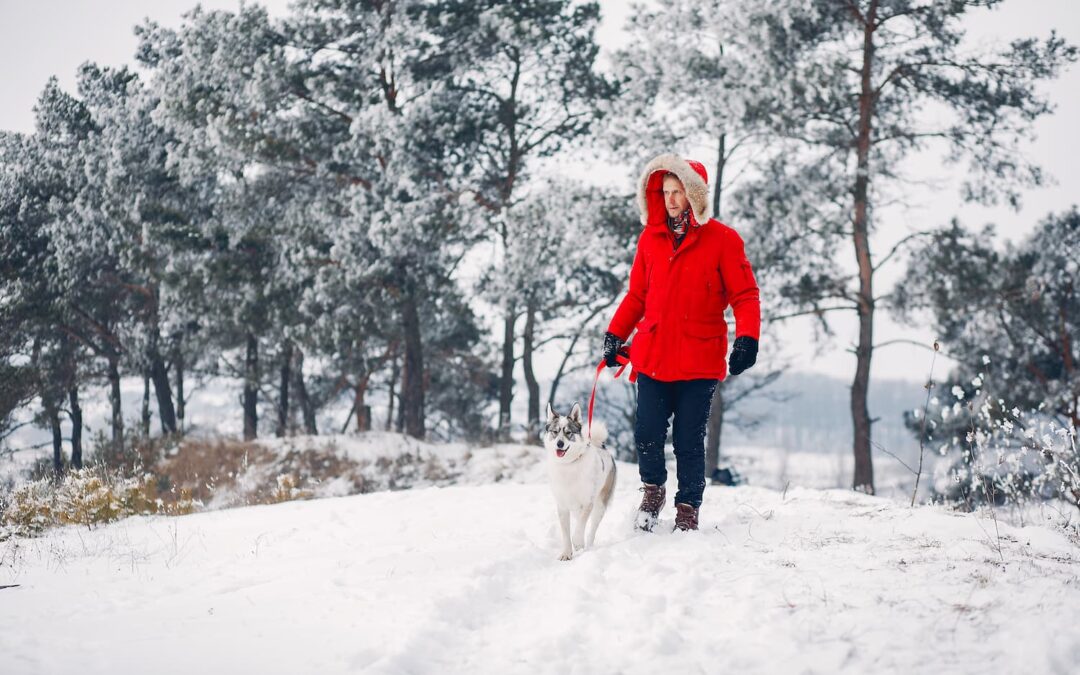
January might be the coldest month of the year, but it’s also Walk Your Pet Month: a gentle reminder that daily walks are still important for your pet’s physical and mental health, even in the snow. While your dog (or even your adventurous cat) may love the fresh air, icy conditions and chilly temperatures can pose real risks.
At South Hyland Pet Hospital, we want to help pet parents in Minneapolis make winter walks safer and more enjoyable. With a few small adjustments, you can protect your pet’s paws, joints, and visibility all season long.
Protect Those Paws: Salt, Ice, and Snow Aren’t So Gentle
Your pet’s paw pads are tough, but they’re not invincible. In winter, sidewalks and driveways are often coated with salt or ice melt products that can irritate or even burn sensitive skin. On top of that, snow and slush can dry out paw pads or hide sharp ice crystals.
Tips for Protecting Paws in the Winter:
- Apply paw balm before walks to create a barrier against salt and cold.
- Wipe your pet’s paws after every outing, especially between the toes.
- Consider dog booties for added protection on icy sidewalks.
- Stick to pet-safe de-icers in your own yard or driveway.
If you notice your pet limping, licking their feet excessively, or avoiding walks, call us at (952) 884-1868. Our veterinary team can check for cracked pads, frostbite, or other injuries and recommend the right treatment.
You can also shop for paw protection products like paw balms through our online pharmacy.
Joints Feel the Chill Too: Support for Stiffness and Soreness
Here in Minneapolis, winter temperatures can aggravate joint pain in pets, especially seniors or those with arthritis. If your dog seems hesitant to walk, slows down on icy streets, or struggles to get moving, they may be feeling the effects of the cold.
Support Your Pet’s Joints This Winter:
- Let your pet warm up indoors before heading out.
- Keep walks shorter during especially cold weather.
- Use a harness to reduce neck and shoulder strain.
- Talk to our veterinarian about joint supplements or prescription medications to support mobility and comfort.
South Hyland Pet Hospital offers a range of joint support options and can help you decide if your pet could benefit from added care. We also carry trusted joint health supplements in our online store.
Shine Bright: Boost Visibility on Dark Walks
Winter brings shorter days, and many pet owners find themselves walking in the early morning or after sunset. Unfortunately, that also increases the risk of accidents, especially near roads or driveways.
Pets with dark coats can be nearly invisible in low light, so enhancing visibility is important for safety.
Easy Ways to Improve Visibility During Winter Walks:
- Reflective collars, leashes, and harnesses make your pet easier to see in headlights.
- Clip-on LED lights for your pet’s collar or your jacket can light up your path and alert others to your presence.
- Light-colored jackets or coats help pets stand out against snowy backgrounds.
- Stay on sidewalks and avoid icy roads, especially if walking near traffic.
If you’re unsure which visibility gear is best for your pet, our veterinary team can guide you toward safe and comfortable options.
General Winter Walking Tips Every Pet Owner Should Know
Keeping your pet safe during winter isn’t just about gear. It’s also about paying attention to the environment, your pet’s breed, and the weather conditions.
Quick Safety Tips to Keep in Mind:
- Bundle up short-haired, small, or senior dogs. They lose heat faster and may need a sweater or coat for walks.
- Avoid frozen lakes or ponds. What looks solid may not hold your pet’s weight.
- Watch for signs your pet is too cold. Shivering, whining, holding up a paw, or trying to turn around may mean it’s time to head home.
- Keep your pet hydrated. Even in winter, pets need access to fresh water to support circulation and joint health.
Is Your Pet Struggling with Winter Walks?
Not every pet is built for cold-weather adventures. Some pets will be just fine all winter long, while others may start to show signs of discomfort.
Contact Our Veterinarian if You Notice:
- Limping or stiffness after walks
- Refusal to go outside
- Dry, cracked paw pads
- Behavioral changes like irritability or lethargy
Our veterinary team can help you decide if it’s time for a winter wellness exam, explore joint support options, or recommend protective gear for paws and visibility.
Let’s Keep Your Pet Moving Safely This Winter
Walk Your Pet Month is a great reminder that daily walks are about more than just exercise. They’re bonding time, mental stimulation, and a chance to shake off cabin fever for both of you.
With the right gear, a little planning, and support from our veterinary team at South Hyland Pet Hospital, you can help your pet stay active, safe, and happy all winter long.
Need help choosing the right paw balm, visibility gear, or joint support supplements? We’re here to help. Make an appointment or ask us about trusted winter products available through our online pharmacy.
