

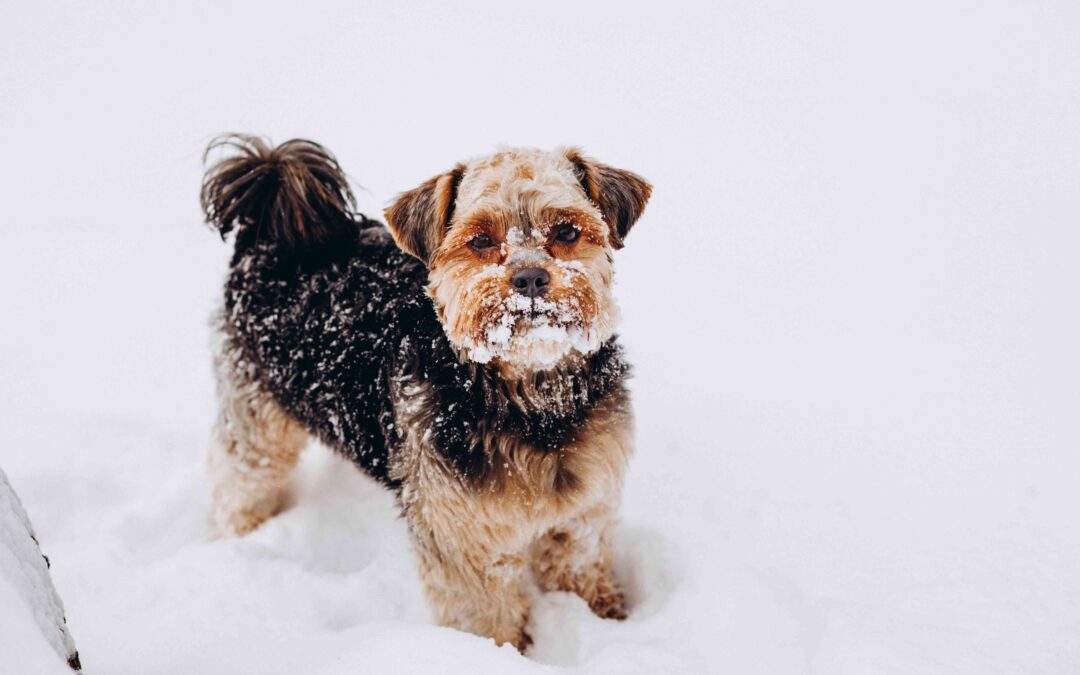
When the snow starts to fall and the temperatures drop in Minneapolis, many of us instinctively reach for our warmest coats, boots, and hats. But what about your pet? If you’re bundling up, there’s a good chance your furry companion could use some winter protection too.
Cold weather can bring a variety of risks for both dogs and cats, from frostbite and hypothermia to dry skin and toxic hazards. Whether you have a fluffy Husky or a sleek-coated Chihuahua, preparing your pet for Minnesota’s winter weather is essential to keeping them safe, healthy, and comfortable. The good news? A little preparation goes a long way.
Here’s what every pet owner in Minneapolis should know about keeping their pets protected during the coldest months of the year.
Cold Tolerance Varies from Pet to Pet
Not all pets are equally equipped to handle cold temperatures. While some breeds were built for the snow, others need extra support to stay safe outside. Breed, age, coat length, and health conditions all play a role in how well your pet can tolerate winter weather.
- Short-haired and small-breed dogs often struggle in freezing temperatures, especially if they have lean body types or minimal undercoats.
- Senior pets and those with chronic illnesses, such as arthritis or heart disease, may have a harder time regulating body temperature and are more sensitive to the cold.
- Cats, especially those used to being indoors, should never be left outside for extended periods.
If you’re unsure how your pet is handling the cold, it’s a good idea to speak with our veterinary team for personalized advice.
How Cold Is Too Cold?
One of the most common questions we hear is, “Is it too cold to take my dog for a walk?” While pets need exercise even in the winter, knowing when it’s too cold is key.
As a general guide:
- Above 45°F: Most pets can safely enjoy outdoor time.
- 32°F to 45°F: Small dogs, seniors, and short-haired breeds may need a coat or shorter walk times.
- Below 20°F: Risk increases for frostbite and hypothermia, especially for vulnerable pets.
- Below 0°F: Outdoor time should be extremely limited, and paws should be protected.
Watch for signs your pet is too cold: shivering, whining, lifting their paws, slowing down, or trying to turn back home. These are your cues to head inside.
Winter Gear Every Pet Parent Should Consider
Just like humans, many pets benefit from wearing the right winter gear when heading outside. Not only does it keep them comfortable, but it also protects them from salt, ice, and extreme temperatures.
Winter Essentials:
- Coats or sweaters for short-haired dogs or seniors
- Booties to protect paws from ice, salt, and chemicals
- Paw balm to help prevent cracks and dryness
- Reflective gear for added visibility on early morning or evening walks
Looking for winter gear or protective paw balms? Visit our online pharmacy to find vet-approved products designed for your pet’s safety and comfort.
Keep It Cozy Indoors, Too
While it’s important to think about outdoor safety, don’t forget about indoor conditions during the colder months. Pets need warm, dry spaces to rest and relax when it’s too cold to be outside.
Here are some tips for keeping your pet cozy indoors:
- Keep pets away from space heaters or open flames, which can pose burn or fire risks.
- Avoid leaving pets in cold garages or basements, especially overnight.
- Provide a warm, cushioned bed, and consider raised beds or pet-safe heated pads for senior pets or those with joint pain.
- Offer indoor activities like puzzle toys, training sessions, or safe games of fetch to help burn energy.
If your pet seems restless or bored indoors, short and frequent walks or indoor enrichment can go a long way in supporting their mental and physical health.
Frostbite and Hypothermia: Know the Warning Signs
Frostbite and hypothermia are serious winter hazards for pets in Minneapolis. Even brief exposure to freezing temperatures can lead to injury or illness if your pet isn’t protected.
Frostbite Warning Signs:
- Pale, gray, or blue-tinged skin on ears, tail, or paws
- Cold or firm areas that become red or swollen when warmed
- Pain when touching cold-affected areas
Hypothermia Symptoms:
- Shivering or trembling
- Weakness and lethargy
- Difficulty walking or standing
- Slow heart rate or shallow breathing
If you suspect frostbite or hypothermia, bring your pet inside immediately and call our veterinary team at (952) 884-1868. Avoid using direct heat or rubbing affected areas, as this can cause further damage.
Ice Melt and Antifreeze: Hidden Dangers
The products we use to keep sidewalks and driveways safe can be harmful, or even deadly, to pets.
- Salt and de-icers can cause chemical burns on paw pads or be toxic if licked off.
- Antifreeze (ethylene glycol) is extremely poisonous. Even a small amount can cause fatal kidney damage if ingested.
To keep your pet safe:
- Rinse or wipe their paws, legs, and belly after walks.
- Use pet-safe de-icing products around your home.
- Store antifreeze securely and clean up spills immediately.
Keep Your Pet Safe and Comfortable This Winter
Minnesota winters can be tough, but with the right care and protection, your pet can stay healthy and happy all season long. A winter wellness check is a great way to catch any cold-related issues early, especially for senior pets or those with health conditions. Our veterinary team at South Hyland Pet Hospital is here to help. From seasonal care tips to product recommendations, we’ll make sure your pet is ready for the cold. Schedule a visit or call us at (952) 884-1868 today.
